


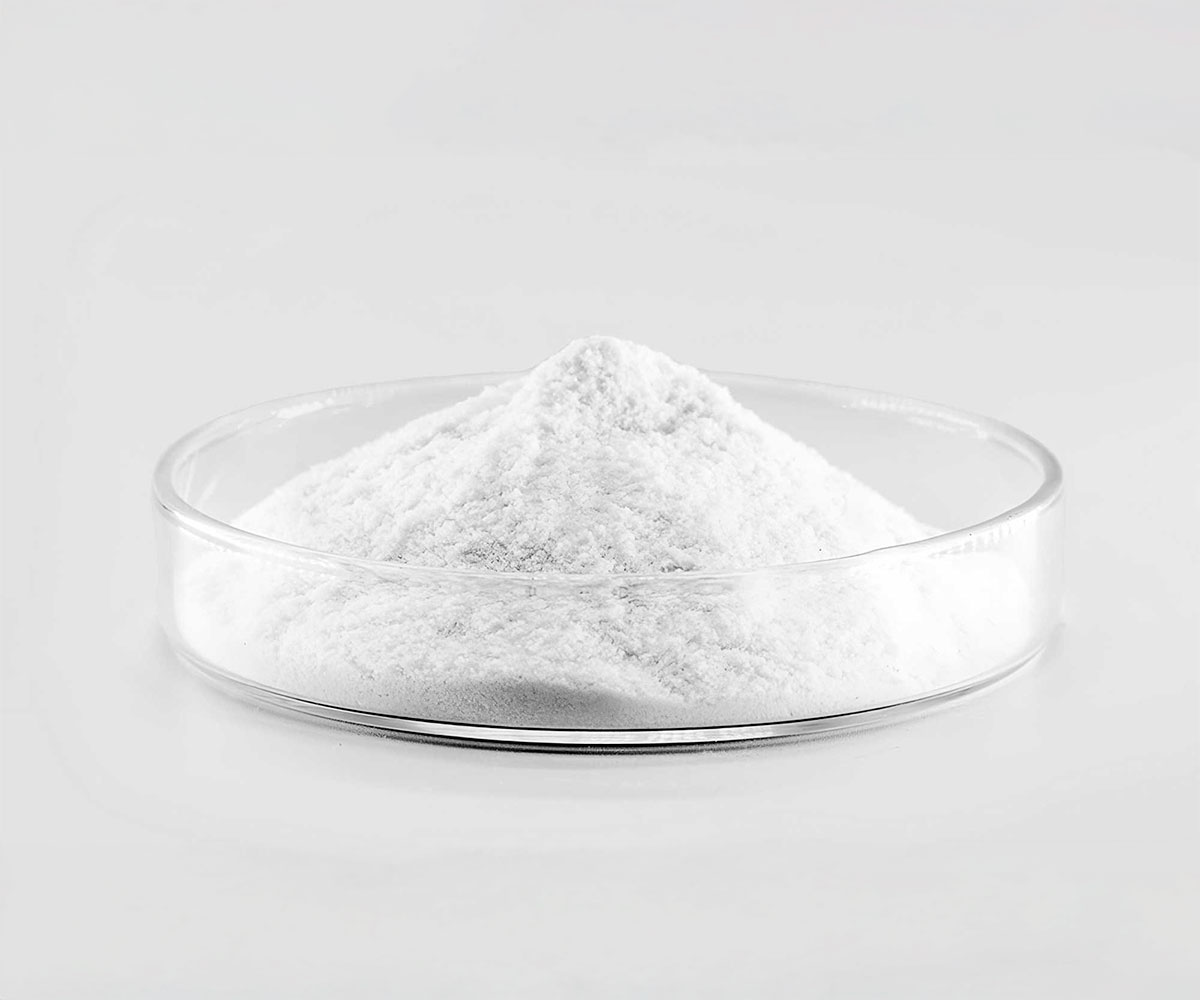
PVC: A Versatile Polymer with Diverse Applications - Highlight for K67 and K70 Resins
Polyvinyl chloride (PVC) is one of the most widely used synthetic polymers worldwide, prized for its versatility, durability, and cost-effectiveness.
From construction to healthcare and automotive industries, PVC is essential in the production of a wide range of products.
Depending on the desired properties, PVC can be manufactured in various grades, such as K 67 and K 70, each tailored for different applications.
🔬 What Is PVC and How Is It Made?
PVC is a polymer made by polymerizing vinyl chloride monomer (VCM). It is produced through suspension, emulsion, or bulk polymerization processes, which result in different molecular weights and viscosities.
This variability allows PVC to be adapted for a range of applications.
Rigid PVC is widely used in industrial and construction applications, while flexible PVC is common in flooring, hoses, films and packaging.
There are two primary types of PVC: rigid and flexible. Rigid PVC is commonly used in construction and industrial applications, while flexible PVC is used in products like flooring, tubing, and films. The different K-values (such as K 67 and K 70) are indicators of the polymer's molecular weight and viscosity, which impact its processing characteristics and final product performance.
📌 Understanding PVC K 67 and PVC K 70
Among the various types of PVC, PVC K 67 and PVC K 70 are two important grades that serve different functions based on their physical properties.
PVC K67
Is a medium-viscosity resin that is widely used in the production of flexible and semi-rigid products. With a K-value of 67, this grade of PVC is suitable for applications that require good processing characteristics and moderate flexibility. It is commonly used in films, flexible pipes, clear rigid packaging, and sheets.
PVC K70
PVC K70 has a higher molecular weight and higher viscosity, resulting in a more rigid and resistant material.
On the other hand, PVC K 70 has a higher molecular weight and K-value of 70, which results in a more rigid and stronger material. This grade of PVC is preferred for products requiring high mechanical strength and durability, such as rigid pipes, window profiles, fittings, and hard sheets. Its high viscosity makes it ideal for industries that need structural integrity in harsh environments.
🌍 Applications of PVC: K 67 and K 70 in Focus
PVC K 67 is commonly used in the production of:
- Flexible films and sheets: Ideal for packaging materials and other flexible applications.
- Flexible pipes: Widely used for plumbing, irrigation, and other applications requiring flexibility.
- Clear packaging: Often used in the production of rigid clear packaging materials.
PVC K 70 is used in applications that require higher mechanical properties:
- Rigid pipes and fittings: Used in construction and plumbing applications where durability is essential.
- Building and construction profiles: PVC K 70 is used to produce window and door profiles, ensuring they are strong and weather-resistant.
- Hard sheets: Ideal for use in industrial applications that require a solid, durable material.
These two grades of PVC provide manufacturers with the flexibility to choose the right material for the task at hand, whether they need more flexibility (PVC K 67) or strength (PVC K 70).